REINFORCELEARN

The Worlds First

Learning AI Incubator

Overview

Learn Reinforcement Learning

What is Reinforcement Learning?

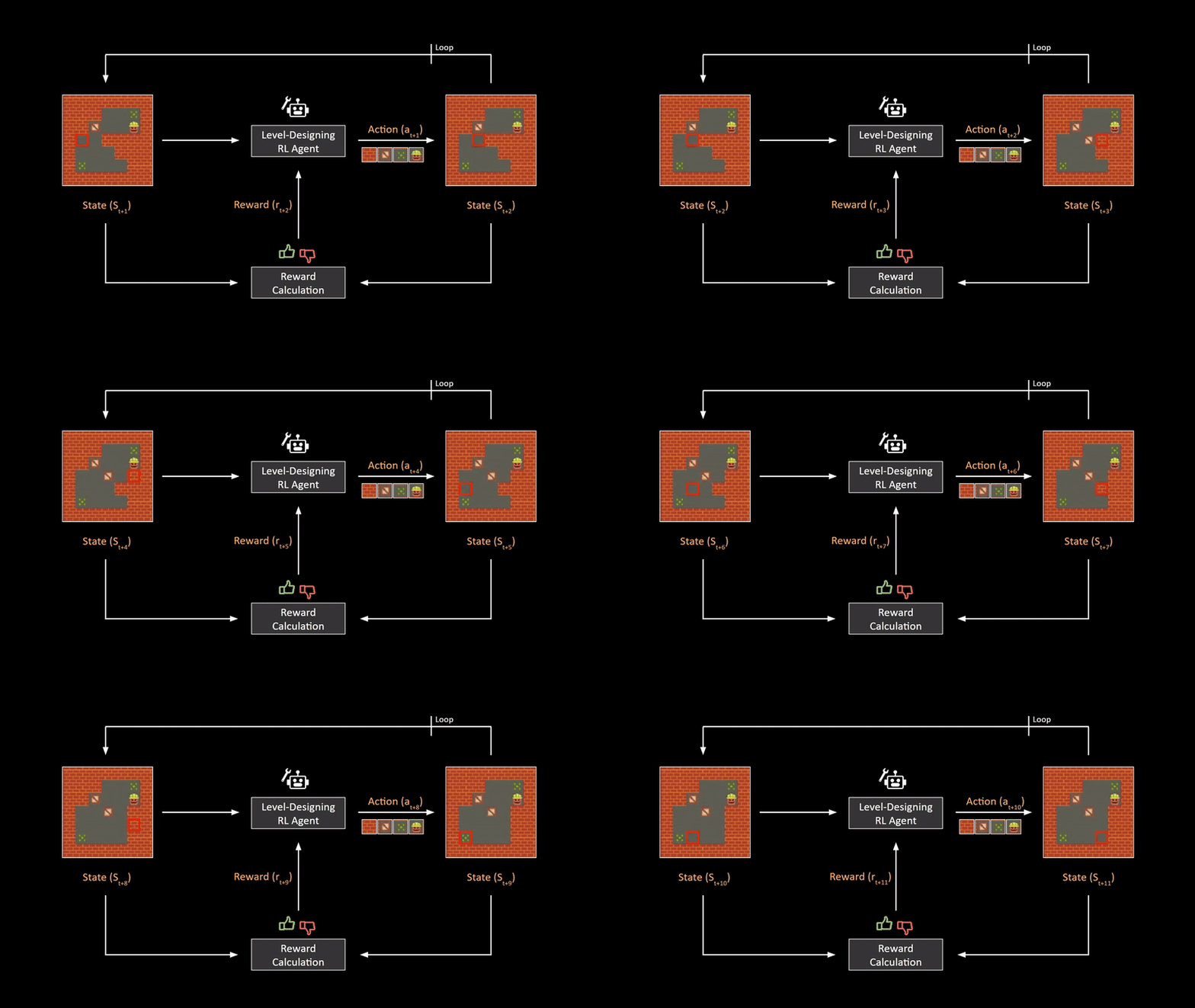
Unlike supervised learning, where the model learns from labeled data, or unsupervised learning, which finds patterns in unlabeled data, reinforcement learning is about learning through trial and error. An agent interacts with an environment and learns a policy to maximize cumulative reward over time.

What are the Real World Applications of RL?

RL is used in robotics (autonomous control), game AI (like AlphaGo), finance (trading strategies), healthcare (treatment planning), and recommendation systems (personalized content delivery), among others.

What is an Agent in Reinforcement Learning?

In reinforcement learning, an agent is the entity that makes decisions by interacting with an environment. It observes the current state, takes an action based on a learned policy, and receives feedback in the form of a reward and the next state. The agent's goal is to learn a strategy that maximizes cumulative rewards over time through trial and error.

Algorithms

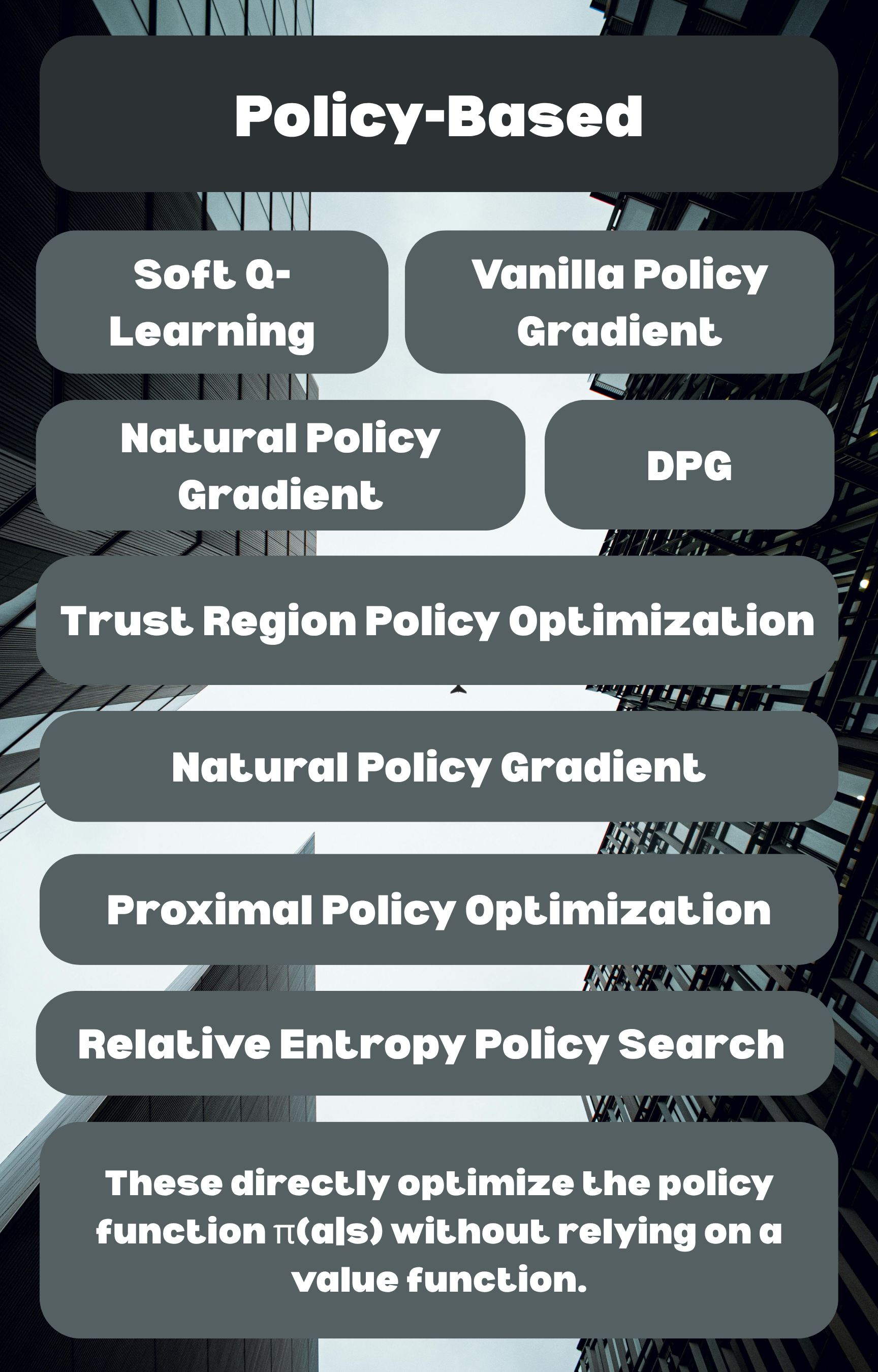
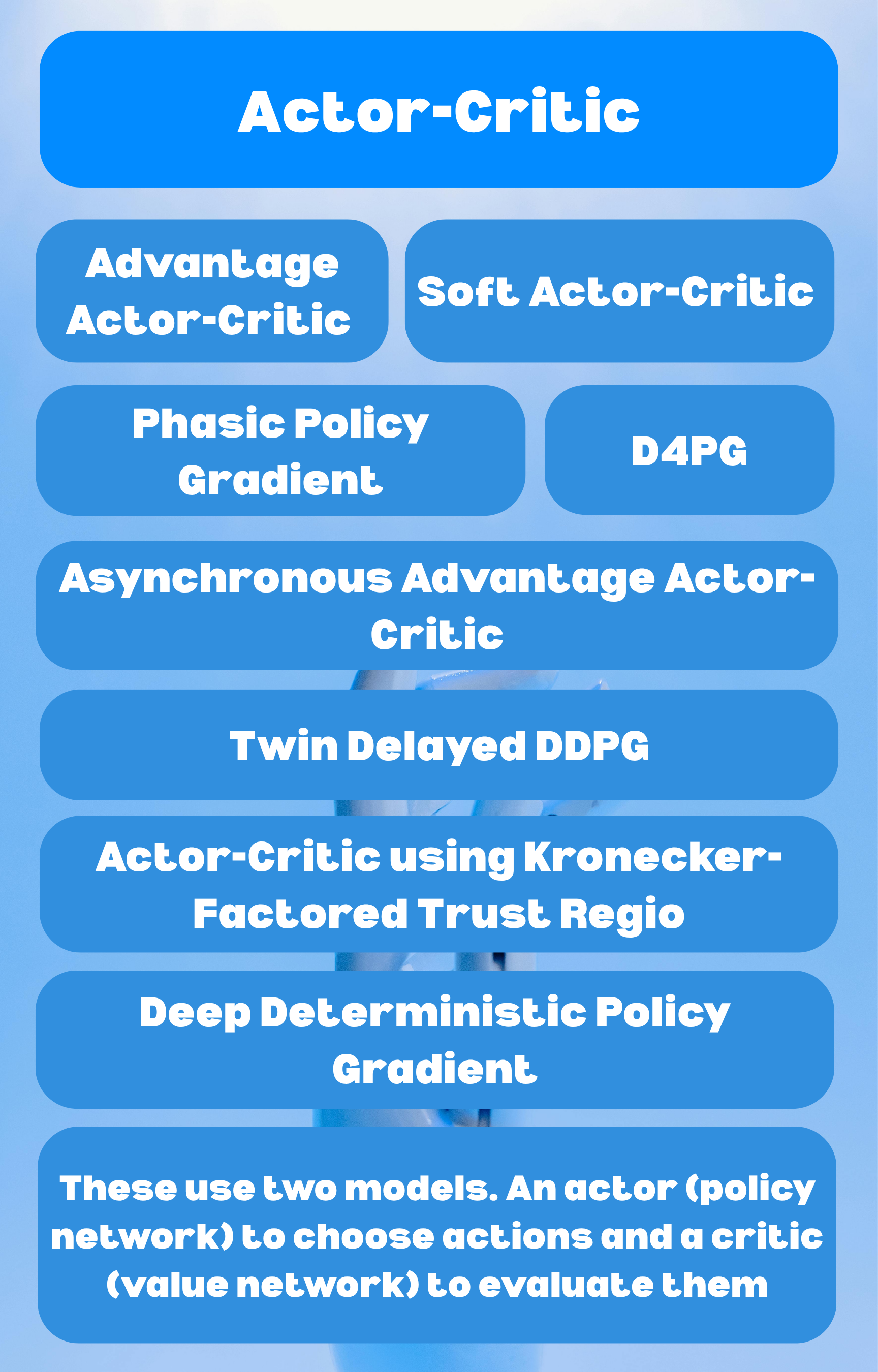
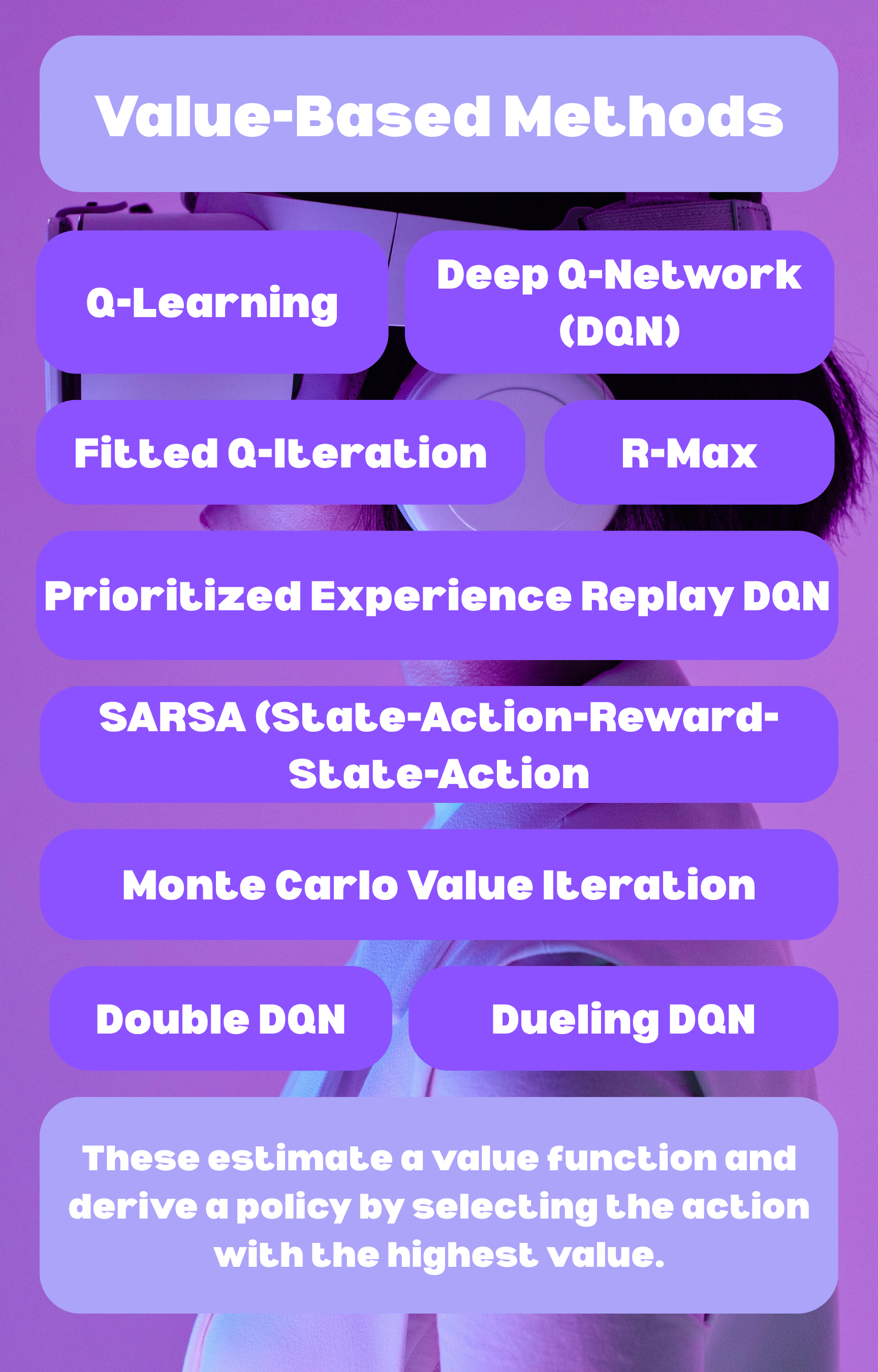
Find the Different RL Algorithms
Learning Hub

Take a Look Into Our
Matlab RL

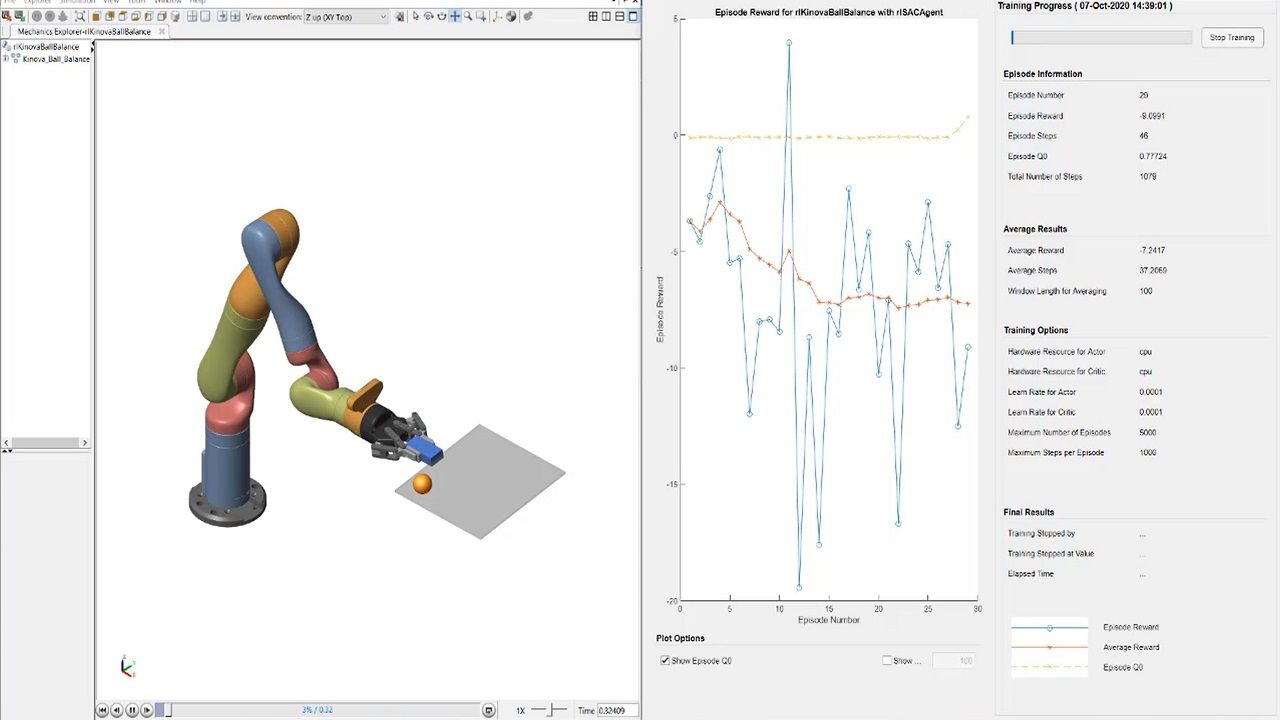
Simple overview of reinforcement learning provided by Matlab Read More

MIT

Reinforcement learning coursework, providing sophisticated background from MIT professors. Read More

RL Coding

Coding Playlist of Reinforcement Learning using Pythonx Read More

RL Game Models

Design and train reinforcement learning models to master games commonly played by humans. Read More

RL Stanford Book

Stanfords published reinforcement learning book by Richard S. Sutton and Andrew G. Barto Read More

Advanced

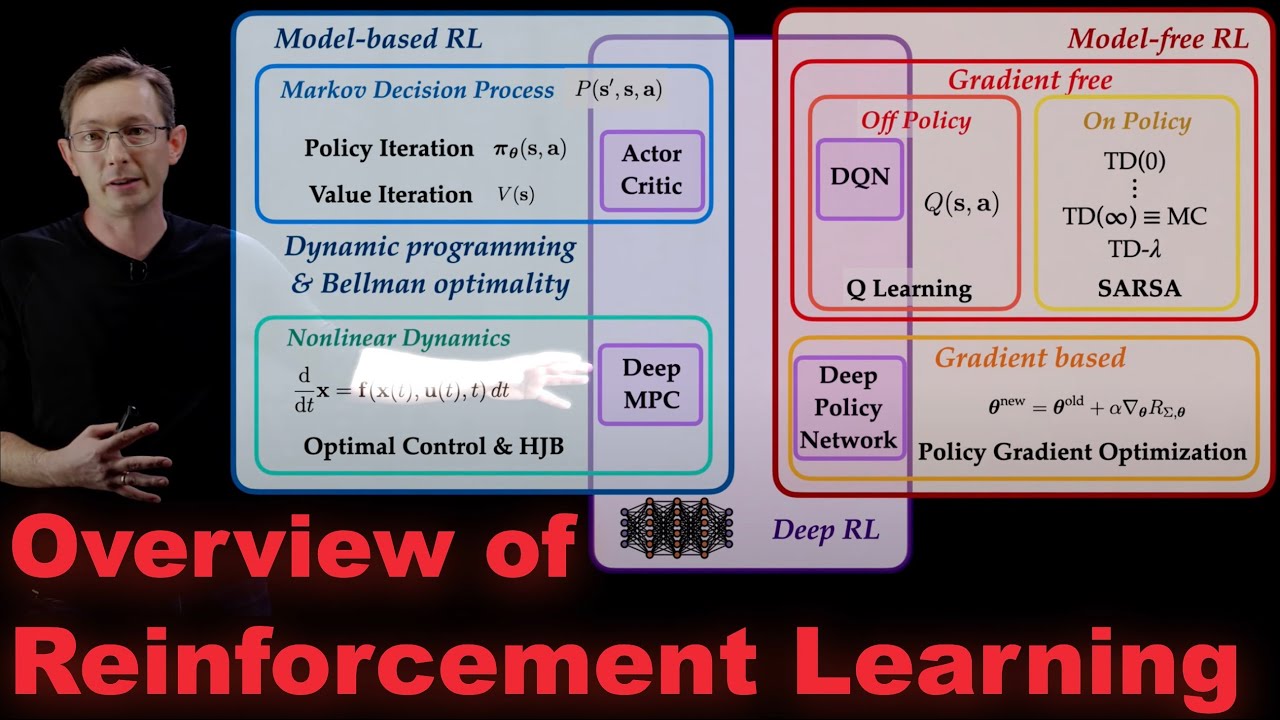
Under Steven Brunton, provides a greater dive into reinforcement learning and real applications. Read More

Pathways

Learn Reinforcement Learning

Education
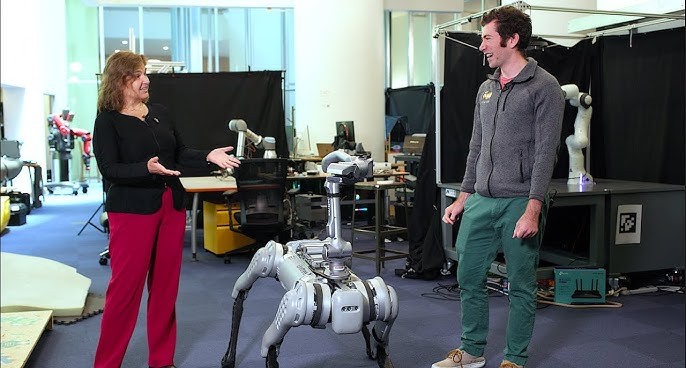
Image 1

MIT

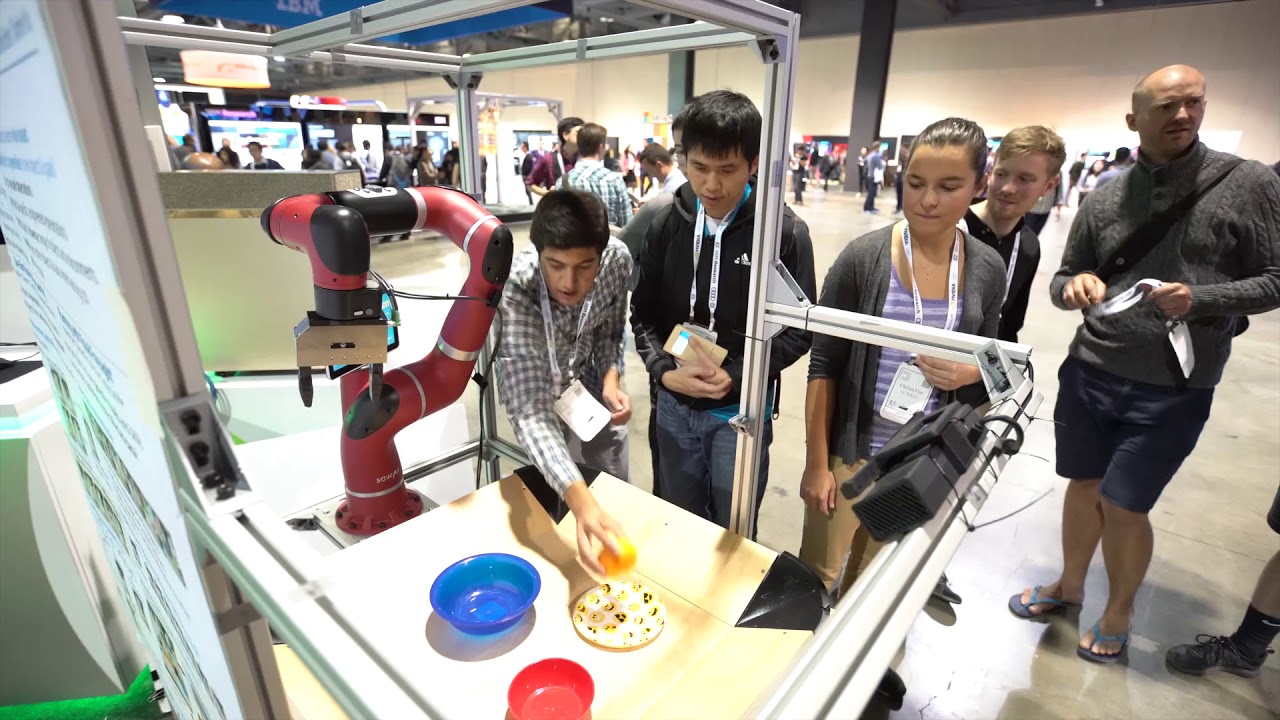
Notable for the CSAIL lab’s work on hierarchical RL and real-world robotic manipulation (e.g., learning policies to control a robotic arm stacking objects using sparse rewards).
Image 1

UC Berkeley

Home to influential RL researchers and labs like Berkeley AI Research (BAIR), advancing algorithms such as Soft Actor-Critic and model-based RL.
Image 1

Carnegie Mellon

Applies RL in multi-agent systems and autonomous vehicles (e.g., autonomous racing bots in the TORCS simulator); home to research on safe exploration and RL for human-AI collaboration.
Image 1

Stanford University

Known for combining RL with vision and language (e.g., learning robotic tasks from natural language instructions); also explores RL for prosthetics in OpenAI Gym.
Image 1

Georgia Tech

Focuses on RL for real-world robotics using simulation-to-reality transfer (Sim2Real), such as drones learning to navigate through RL with visual feedback.

Career Pathways

Image 1

RL Research Scientist

Designs novel policy gradient or actor-critic algorithms, benchmarks them on environments like OpenAI Gym, Isaac Gym, or MetaWorld, and publishes in conferences like NeurIPS and ICLR.
Image 1

Robotics Engineer

Implements RL-based motion control (e.g., using PPO or SAC to train robotic arms in PyBullet or real-world UR5 arms to learn grasping policies).
Image 1

Autonomous Vehicle Engineer

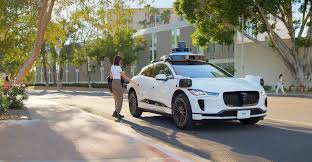
Applies RL to teach cars to make split-second decisions, like merging, yielding, or overtaking in CARLA simulator environments or Tesla’s Dojo-like systems.
Image 1

Logistics Optimization Engineer

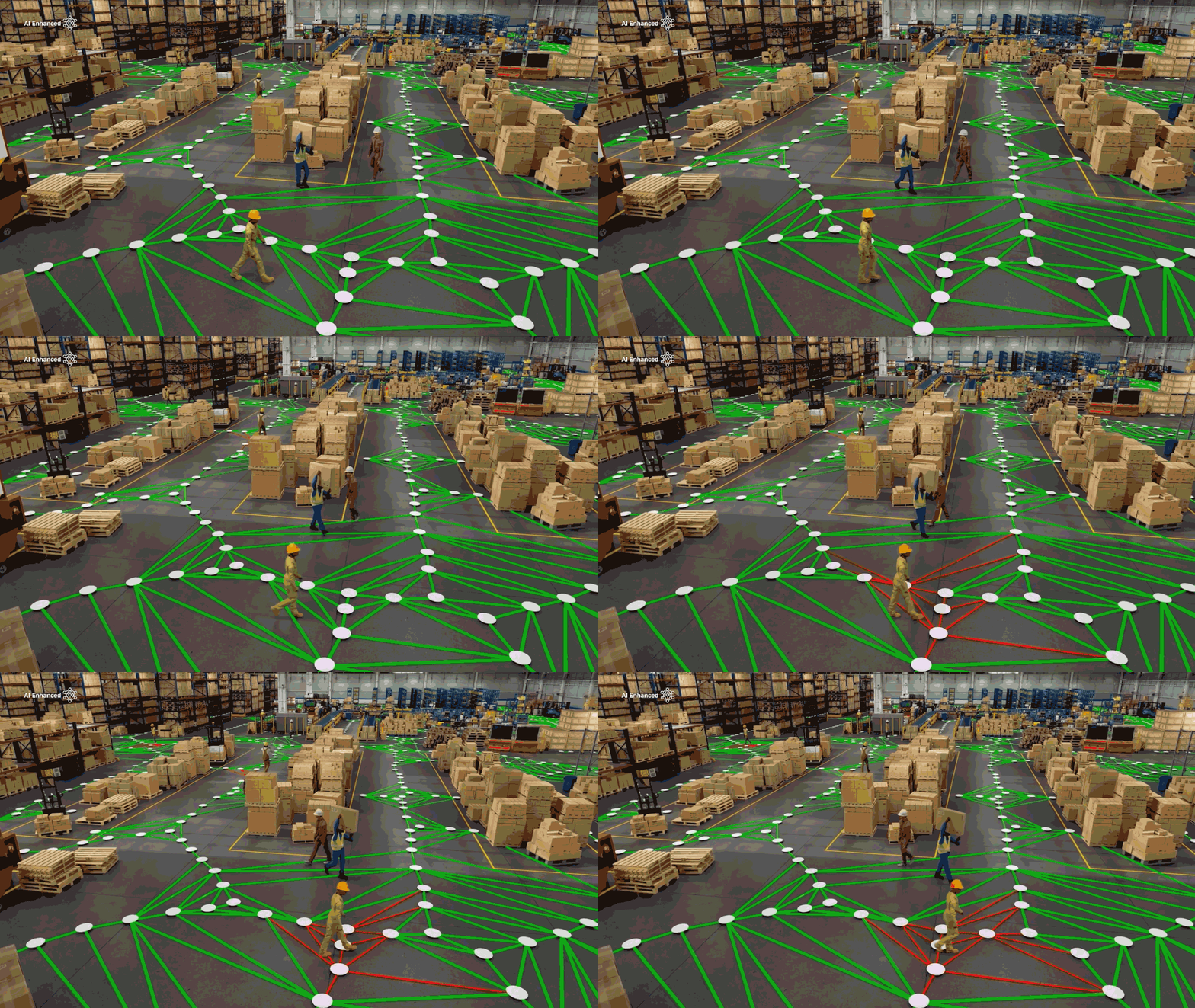
Uses Deep Q-Networks (DQN) or Multi-agent RL for warehouse robot coordination, inventory picking, and dynamic route planning in delivery fleets.
Image 1

Healthcare Data Scientists

Uses contextual bandits and offline RL to optimize sepsis treatment plans in ICU patients using datasets like MIMIC-III, or to personalize drug dosing in clinical trials.p1>
Image 1 Image 1 Image 1 Image 1 Image 1 Image 1 Image 1

Reinforcement Playground

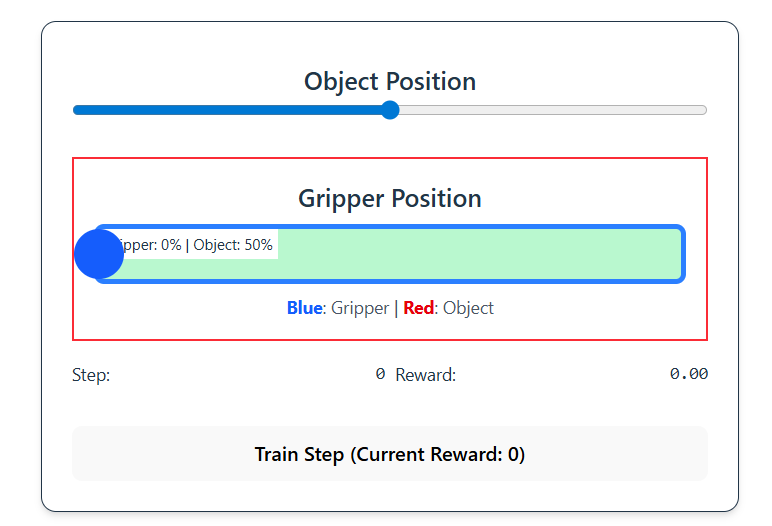
Try out a Reinforcement Learning Agents
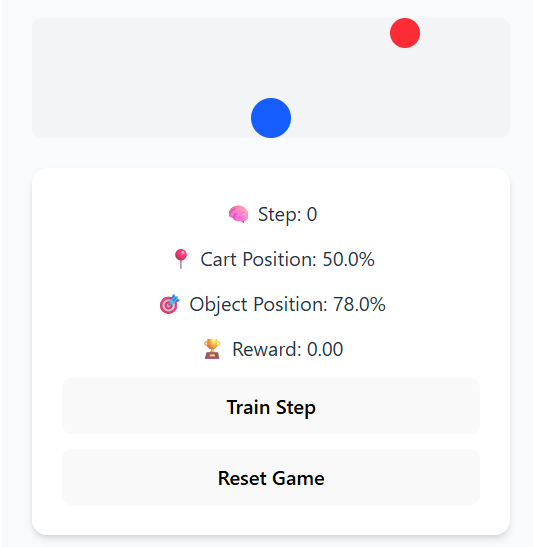
Image 1 Image 1

Github RL Projects

Open Source Github Projects

Git Projects

Open Source Github Projects

Learning Projects
RL Math Textbook

Robotics Simulations

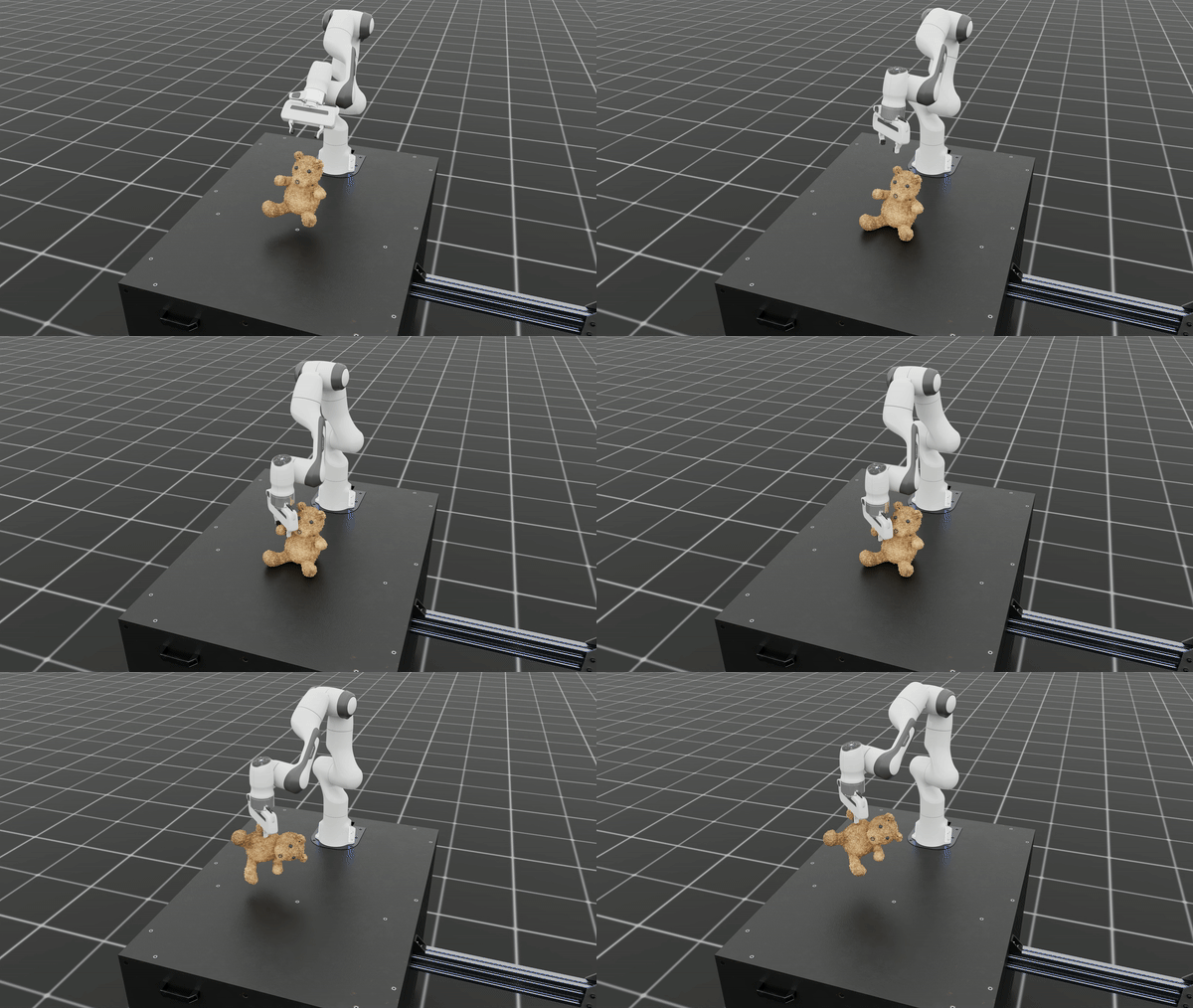
Train in Physics Based Environment
Research Image

Why Simulation?

Simulating a robot before real performance on a physical robot is crucial for testing and development. Deploying a reinforcement learning policy and tuning your robot to in a simulative environment allow you to mimic real world scenarios and test different situations through computation over real-life testing. These can be run in parallel, and faster than real time training. By simulating in a controlled environment, you are able to replicate real-world physics while approaching your end-goal efficiently

A robotics simulation is a virtual environment that mimics real-world physics, sensor feedback, and robot kinematics/dynamics. Simulations are built using engines like Gazebo, PyBullet, Isaac Sim, MuJoCo, or Webots, and often work with ROS/ROS2.
Research Image

Simulation Worflow

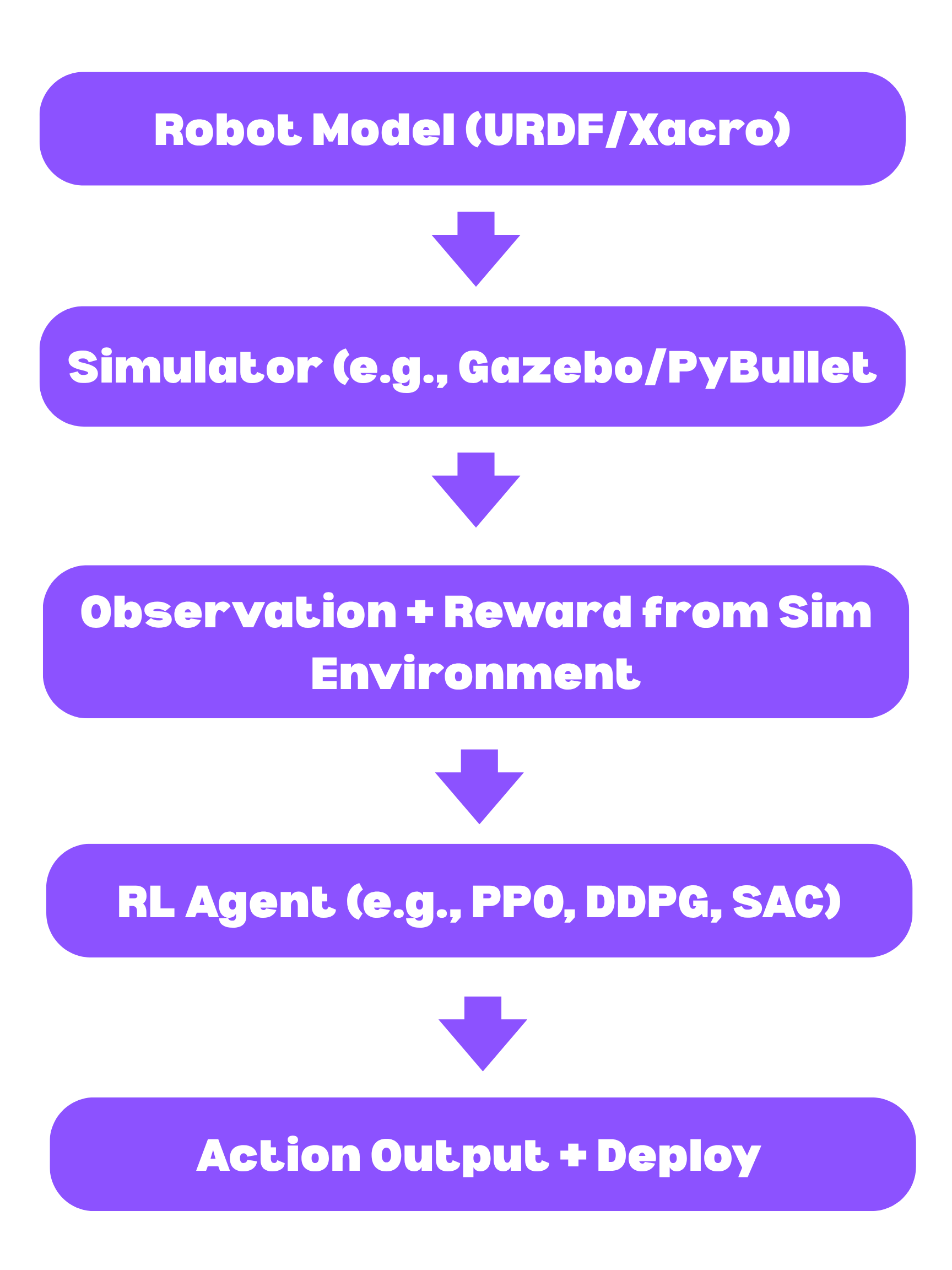
To simulate a robot with reinforcement learning, you always have a workflow planned on how to achieve your end goal. It begins my importing/modeling your robot and environment in a robotic simulator such as Isaac Sim, Gazebo, etc. Consider and tune to the physics of robot properties, as well as external inputs such as sensors(lidar, etc) if any. Then, set up an observation space, where at time-steps, your robot(reinforcement agent) is provided with these inputs(joints, sensor readings). These observations are feed to an FL algorithm depending on your interest, and decide to do an action based on the environment, where rewards are given based on success/failure. Continuously do this over many episodes to allow the robot to learn the reinforcement policy(algorithm) given, allowing for more efficient results. Additionally, you can accelerate training by running parallel, and even use domain randomization to improve the overall robustness. Once achieved, you can deploy the policy to a real-world robot(SIm2Real).

When deciding what policy you want for your robot, decide what the end goal(what you aim to achieve) and associate your policy on that. Additionally, the recommended simulator I would suggest is Isaac Sim, however, it requires at minimum a NVIDIA GeForce RTX 3070, with a 4080 as the recommended.

Research Headlines

Latest Breakthroughs in RL Research
Research Image Robotics

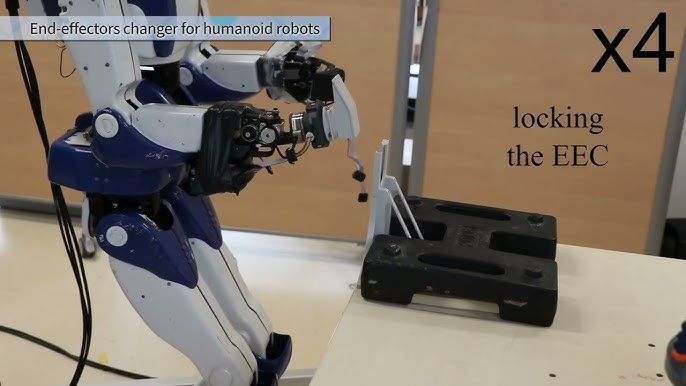
RL With ALOHA

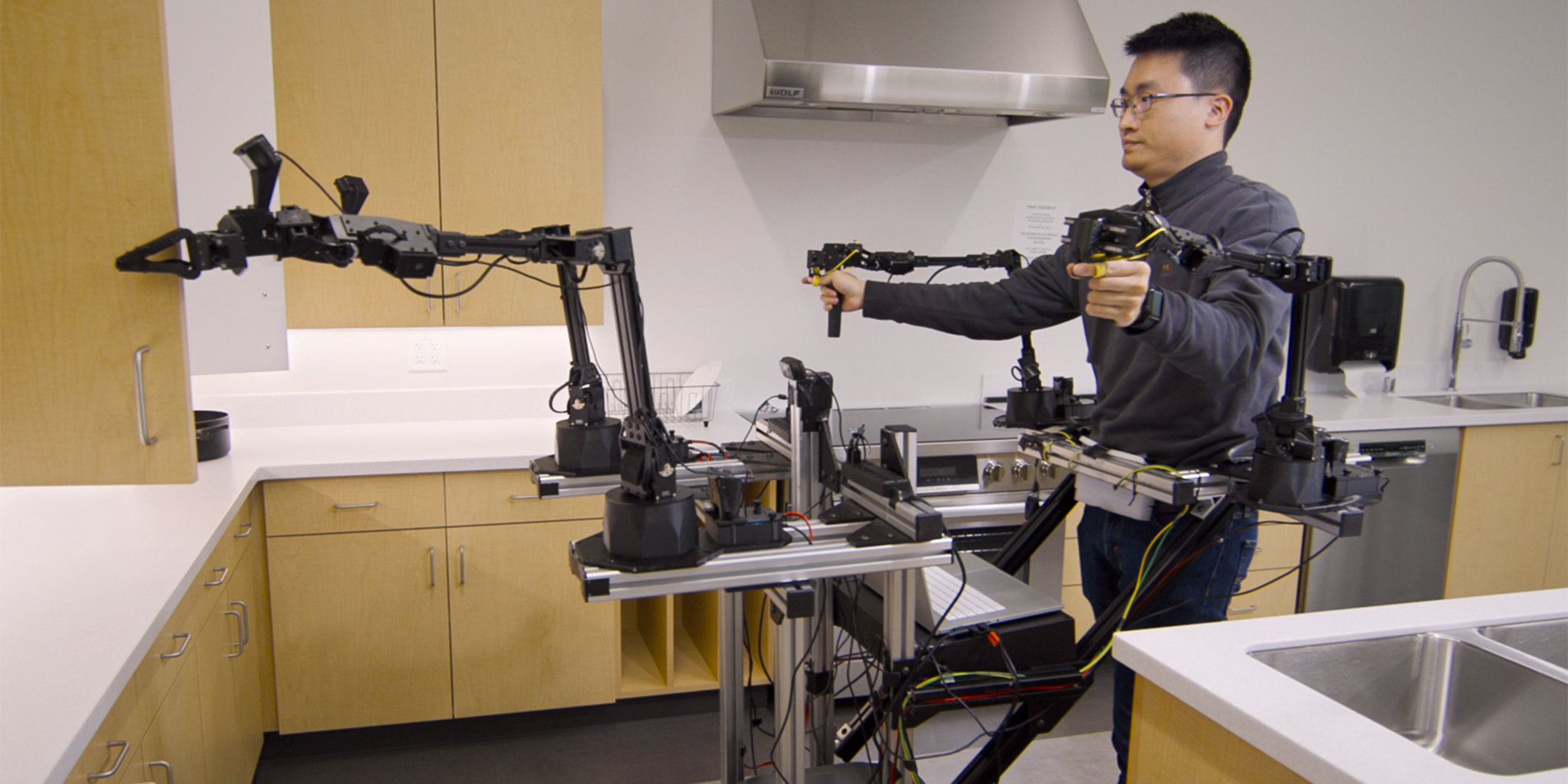
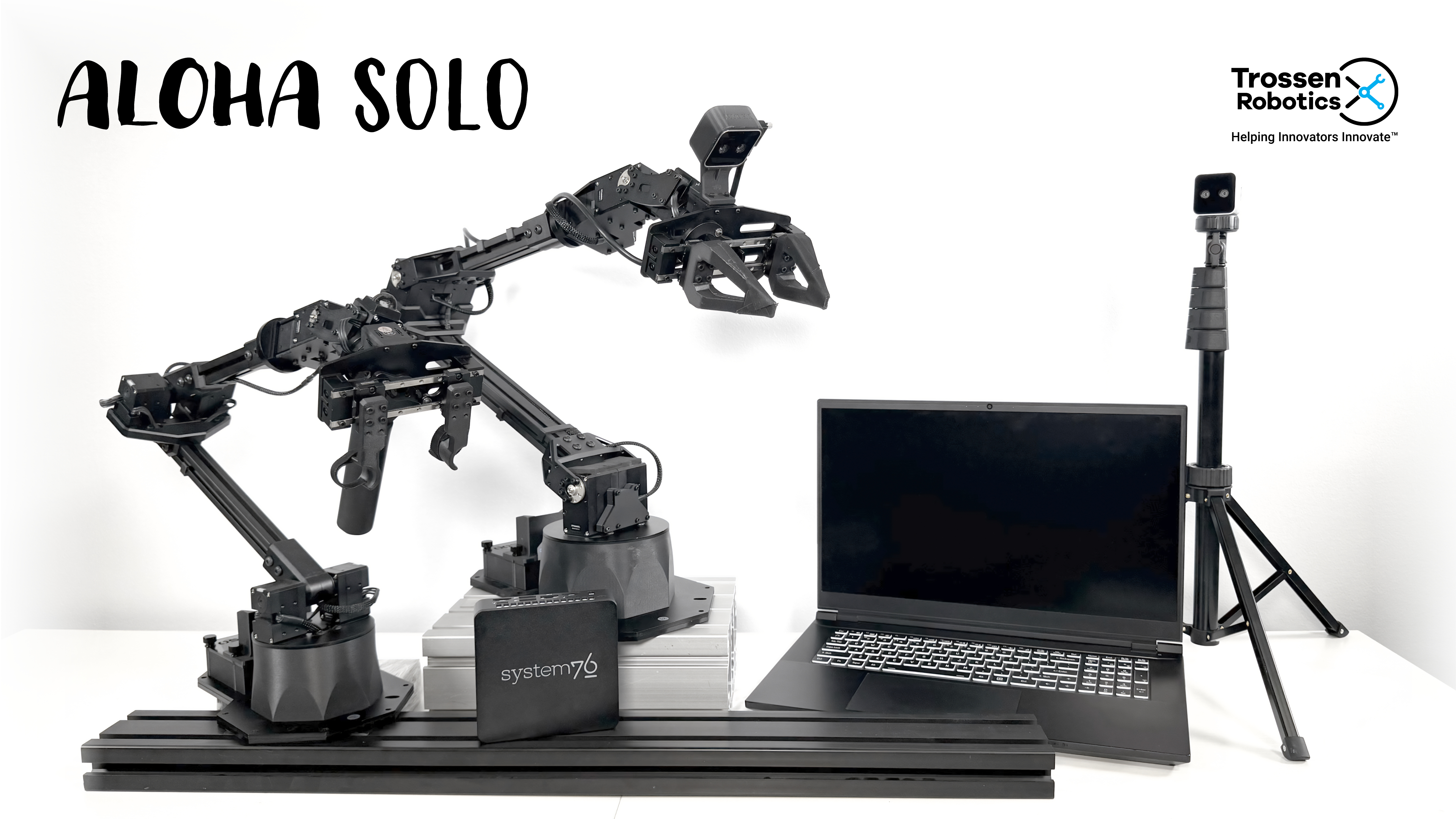
This work shows that combining large-scale data on ALOHA 2 with Diffusion Policies enables effective imitation learning for complex bimanual manipulation. It outperforms state-of-the-art methods on eight challenging real and simulated tasks.
Research Image Robotics

SERL

SERL is a ready-to-use software suite for robotic RL, featuring sample efficient off-policy algorithms, various reward specification methods, and advanced controller for popular robots. It includes example tasks such as PCB assembly, cable routing, and reset-freeobject relocation.
Research Image Multi-Agents

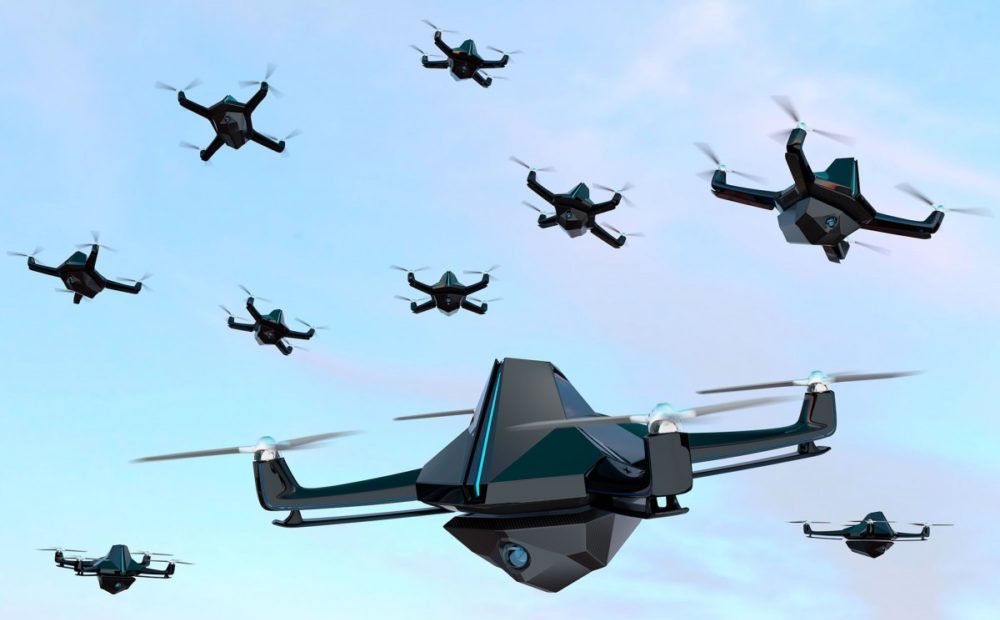
Multi-RL Swarm Nav

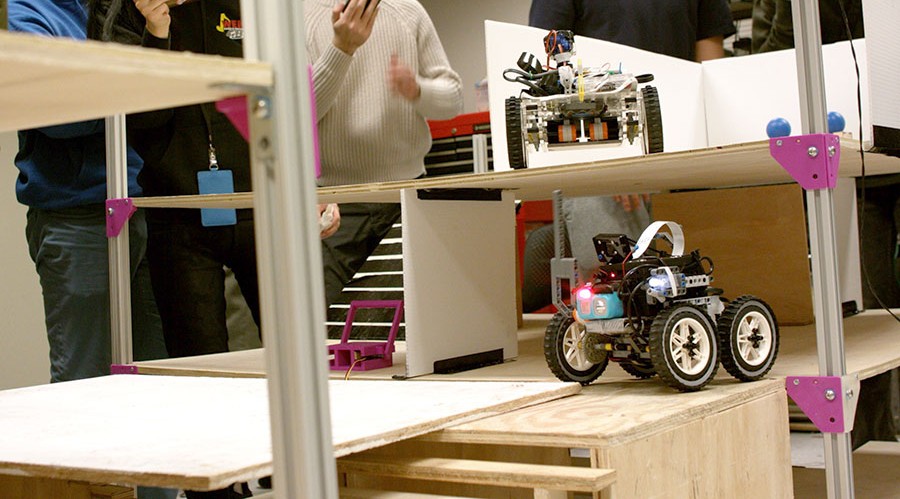
This work combines multi-agent reinforcement learning and neuro-evolution to develop efficient swarm navigation in indoor environments. A compact visual encoder enables low-cost robots to outperform individual policies in obstacle avoidance and exploration.
Research Image Coming Soon

RL Localization

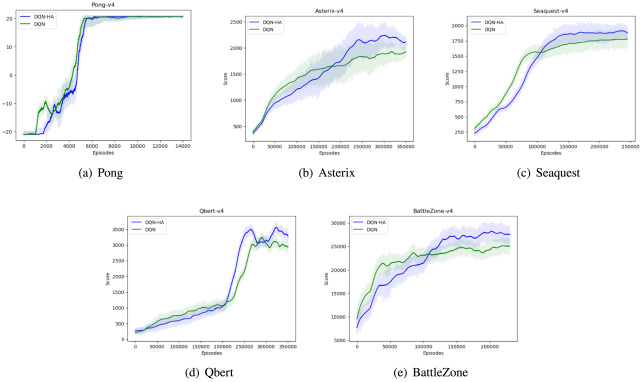
This work enhances visual reinforcement learning by integrating a hard attention module for robust, noise-resistant localization. The hierarchical multi-agent framework improves explainability and performance across tasks.

Event Headlines

Latest Breakthroughs in RL Research
Research Image Aug 9th - 12th

RLC 2025

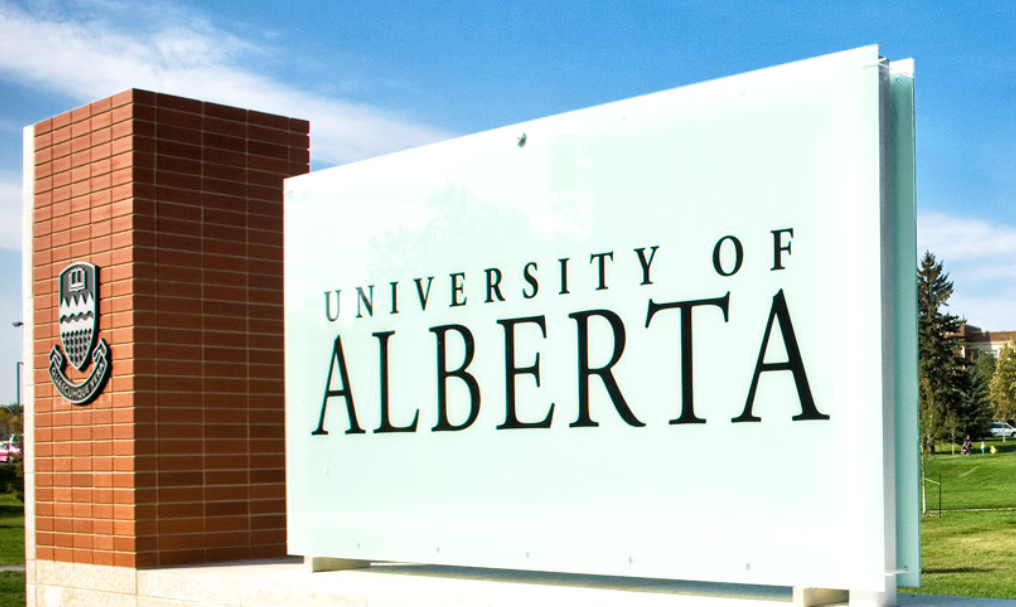
The second Reinforcement Learning Conference (RLC) will take place from August 5th to 9th, 2025, at CCIS, the University of Alberta, Edmonton, AB, Canada.
Research Image Development

ICLR

The International Conference on Learning Representations (ICLR) is the premier gathering of professionals dedicated to the advancement of the branch of artificial intelligence called representation learning.
Research Image Sep 17th - 18th

The AI Conference

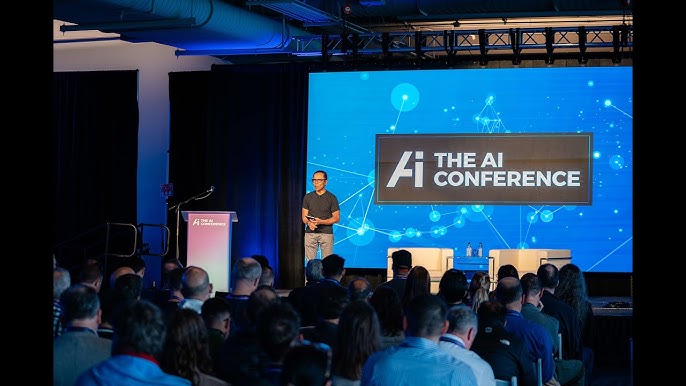
The AI Conference Shaping the future of AI. Share 2 days with the brightest minds in AI Get full access to all sessions, panels, network mixers, and sponsor presentations. 2 DAYS | 4 TRACKS | 100+ SPEAKERS
Research Image Index

RL Conferences

The Conference Index contains all upcoming Machine Learning and Reinforcement Learning Conferences by Month from 2025 - 2027.

InternSeeker

Figure out the Best Plan for You

Cover Letter

A cover letter is a formal document tailored to a specific company and role, highlighting your skills, experiences, and motivation for applying.

Read More

Cold Emails

A cold email is an unsolicited message you send directly to professionals or companies to introduce yourself and inquire about potential internship opportunities.

Read More

InternSeeker

The InternSeeker tool lets users enter a location to instantly find robotics companies, showing their names, websites, and locations in a clean, searchable table.

Read More

Research Image

Internships

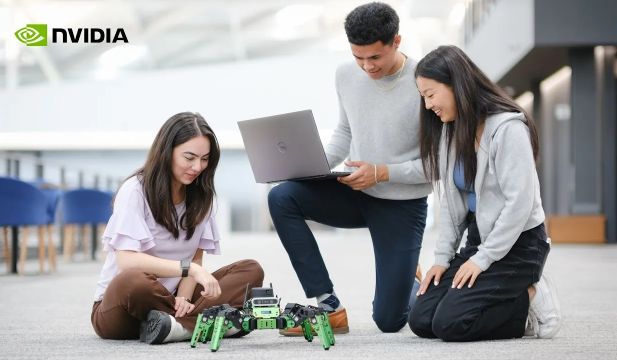
Internships are an important aspect to gaining professional, real-application experience of your work. Internships are an excellent way to additionally develop practical industry skills why also learning from mentors and experts in work for their field. However, many find challenges finding and getting an opportunity to have an internship, which can limit further growth than what self-learning. Above are the necessary resources I used in my own internship-finding experience.

Resources

The Help For Your RL Journey

Research Image

Github

Github has thousands of open-repositories and coding projects dedicated towards reinforcement learning to view.

Read More
Research Image

Science Direct

View the most recent research in reinforcement learning and the applications in the real world on Science Direct

Read More
Research Image

Matlab

Matlab is a powerful toolbox and learning platform that makes it preferable for reinforcement learning.

Read More
Research Image

Kaggle

Kaggle provides thousands of open-source datasets and learning resources in different fields for users to train their AI algorithms.

Read More

RL Libraries

Reinforcement learning are great tools to utilize in your RL pursuit. These libraries are used to simplify development, training, and evaluation of reinforcement learning agents. With pre-built implementations, these are amazing tools to help remove the complexity of that comes with RL. Popular RL libraries include RLlib, Stable Baselines3, Gymnasium(OpenAI), Keras-RL2.

Contact Us

Wanna Chat?